Kidney Stone Treatment: Advanced Stone Disease Management
Expert Kidney Stone Care
by Dr. D K CHUGHH
Kidney Stone Treatment: Advanced Stone Disease Management
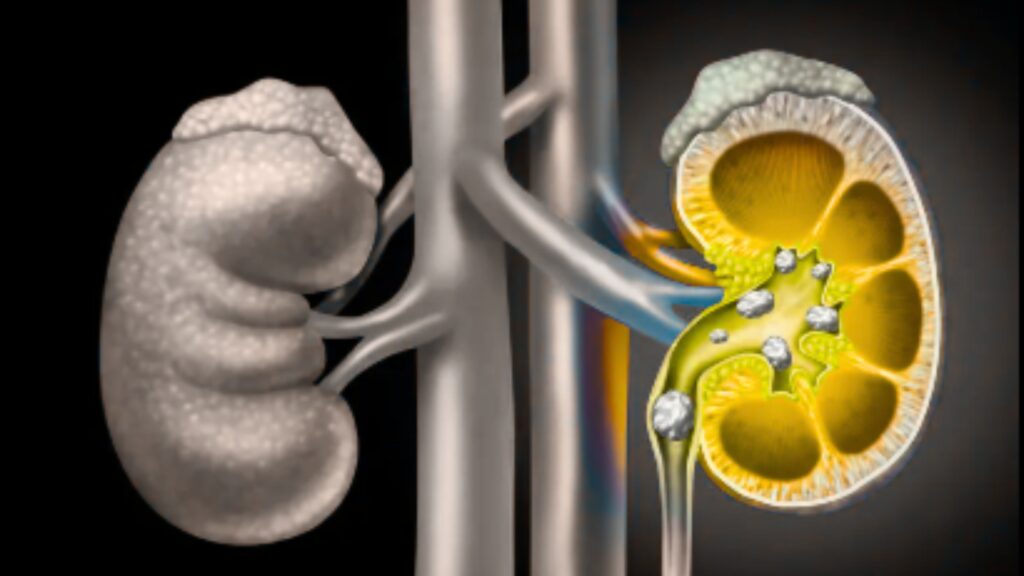
Kidney stones are hard deposits of minerals and salts that form inside the kidneys. They develop when urine becomes concentrated, allowing minerals to crystallize and stick together. While small stones may pass naturally, larger stones can cause severe pain and complications requiring medical intervention.
Types of Kidney Stones
Calcium Stones (80-85% of all stones):
- Calcium Oxalate:Most common type, often related to dietary factors
- Calcium Phosphate:More common in alkaline urine conditions
- Associated with high calcium excretion or low urine volume
Uric Acid Stones (5-10% of stones):
- Form in acidic urine conditions
- More common in patients with gout, diabetes, or metabolic syndrome
- Often radiolucent (not visible on regular X-rays)
Struvite Stones (10-15% of stones):
- Also called “infection stones”
- Form due to urinary tract infections with specific bacteria
- Can grow rapidly and become very large (staghorn calculi)
Cystine Stones (<1% of stones):
- Result from genetic disorder affecting amino acid transport
- Tend to recur frequently
- Require specialized management approaches
Signs and Symptoms
Kidney stone symptoms can vary depending on stone size, location, and movement:
Acute Stone Pain (Renal Colic)
- Severe, cramping pain in back or side
- Pain that radiates to lower abdomen and groin
- Pain intensity that comes in waves
- Cannot find comfortable position
- Often described as worst pain ever experienced
Associated Symptoms
- Nausea and vomiting
- Blood in urine (haematuria)
- Frequent urination or urgency
- Burning sensation during urination
- Cloudy or foul-smelling urine
- Fever and chills (if infection present)
Paediatric Stone Symptoms
- Abdominal pain (may be less specific)
- Irritability and restlessness
- Changes in urination patterns
- Blood in urine
- Fever without obvious cause
Risk Factors for Stone Formation
Understanding risk factors helps in both treatment and prevention:
Dietary Factors
- Low fluid intake and chronic dehydration
- High sodium consumption
- Excessive animal protein intake
- High oxalate foods (spinach, nuts, chocolate)
- Low calcium intake (counterintuitively increases stone risk)
Medical Conditions
- Hyperparathyroidism and hypercalciuria
- Inflammatory bowel disease
- Chronic diarrheal and malabsorption
- Gout and hyperuricemia
- Diabetes mellitus
- Obesity and metabolic syndrome
Anatomical Factors
- Kidney abnormalities
- Urinary tract obstruction
- Vesicoureteral reflux
- Horseshoe kidney or other congenital anomalies
Environmental and Lifestyle Factors
- Hot climate and excessive sweating
- Sedentary lifestyle
- Certain medications (diuretics, calcium supplements)
- Family history of kidney stones
Comprehensive Diagnostic Evaluation
Understanding risk factors helps in both treatment and prevention:
Dr. Chughh employs state-of-the-art diagnostic techniques for accurate stone assessment:
Initial Assessment
- Detailed medical and family history
- Physical examination including abdominal and flank assessment
- Pain assessment and symptom evaluation
- Review of previous stone episodes
Laboratory Testing
- Urinalysis: Detects blood, crystals, and infection
- Urine Culture: Rules out urinary tract infection
- Complete Blood Count: Assesses for infection or complications
- Comprehensive Metabolic Panel: Evaluates kidney function and electrolytes
- 24-Hour Urine Collection: Comprehensive metabolic evaluation for recurrent stones
Advanced Imaging Studies
CT Scan (Gold Standard):
- Non-contrast CT for stone detection and sizing
- Identifies stone location and density
- Assesses degree of obstruction
- Evaluates kidney function and complications
Ultrasound:
- Safe, non-radiation imaging option
- Excellent for paediatric patients and pregnancy
- Detects hydronephrosis and large stones
- Guides certain procedures
X-Ray (KUB – Kidney, Ureter, Bladder):
- Detects radiopaque stones
- Monitors stone passage
- Follow-up imaging after treatment
Intravenous Pyelogram (IVP):
- Detailed functional and anatomical assessment
- Evaluates kidney function and drainage
- Used in specific clinical situations
Treatment Options
Dr. Chughh offers the complete spectrum of stone treatment options, from conservative management to advanced surgical techniques:
Conservative Management
Medical Expulsive Therapy:
- Alpha-blockers (tamsulosin) to relax ureter muscles
- Pain management with appropriate medications
- Anti-nausea medications
- Increased fluid intake
- Activity modification and positioning techniques
Indications for Conservative Treatment:
- Stones ≤5mm in diameter
- No signs of infection
- Adequate pain control achievable
- Normal kidney function
- Patient able to tolerate symptoms
Minimally Invasive Procedures
Shock Wave Lithotripsy (SWL):
- Non-invasive treatment using focused shock waves
- Breaks stones into smaller fragments for natural passage
- Outpatient procedure with rapid recovery
- Best for stones <2cm in kidney or upper ureter
Benefits of SWL:
- No incisions required
- Minimal anaesthesia needed
- Same-day discharge
- Rapid return to normal activities
- Cost-effective treatment option
Ureteroscopy with Laser Lithotripsy:
- Direct visualization and treatment of stones
- Holmium laser fragmentation of stones
- Basket extraction of stone fragments
- Excellent for stones in ureter or lower kidney
Advantages of Ureteroscopy:
- High success rates (>95% for ureteral stones)
- Complete stone clearance in single procedure
- Minimal post-operative pain
- Short recovery time
- Can treat stones of any composition
Advanced Surgical Techniques
Percutaneous Nephrolithotomy (PCNL):
- Minimally invasive procedure for large kidney stones
- Small incision in back for direct stone access
- Complete stone removal in single procedure
- Gold standard for stones >2cm or staghorn calculi
Robotic and Laparoscopic Approaches: As a Fellow of the International College of Robotic Surgeons, Dr. Chughh offers:
- Robotic-assisted stone removal
- Laparoscopic ureterolithotomy
- Robotic pyeloplasty for associated obstruction
- Minimally invasive reconstruction procedures
Benefits of Advanced Techniques:
- Enhanced surgical precision
- Reduced complications
- Faster recovery times
- Excellent cosmetic results
- Shorter hospital stays
Paediatric Stone Management
Children require specialized approaches due to unique anatomical and physiological considerations:
Paediatric-Specific Considerations
- Size-appropriate equipment and techniques
- Radiation exposure minimization
- Age-appropriate anaesthesia protocols
- Family-centred care approach
- Long-term growth and development monitoring
Treatment Modifications for Children
- Conservative management preferred when safe
- Modified shock wave lithotripsy protocols
- Miniaturized ureteroscopy techniques
- Specialized post-operative care
- Prevention strategies for growing children
Complications of Kidney Stones
Prompt treatment prevents serious complications:
Acute Complications
- Obstruction: Blockage of urine flow causing kidney damage
- Infection: Serious risk when stones cause stasis
- Sepsis: Life-threatening systemic infection
- Acute Kidney Injury: From severe obstruction
Chronic Complications
- Recurrent Stone Formation:Without proper prevention measures
- Chronic Kidney Disease: From repeated episodes
- Hypertension: Related to kidney damage
- Bone Disease: From metabolic abnormalities
Stone Prevention Strategies
Prevention is crucial for reducing stone recurrence (50% recur within 5-7 years):
General Prevention Measures
- Adequate Hydration: 5-3 litres of fluid daily
- Dietary Modifications: Reduced sodium and animal protein
- Calcium Intake: Adequate dietary calcium intake
- Weight Management: Maintaining healthy body weight
- Regular Exercise: Promoting overall health and stone prevention
Specific Prevention Based on Stone Type:
Calcium Oxalate Stones:
- Limit high-oxalate foods
- Ensure adequate calcium intake with meals
- Reduce sodium consumption
- Consider thiazide diuretics for high calcium excretion
Uric Acid Stones:
- Alkalinize urine with potassium citrate
- Limit purine-rich foods
- Consider allopurinol for high uric acid levels
- Weight loss if obese
Struvite Stones:
- Complete stone removal essential
- Long-term antibiotic suppression
- Treatment of underlying urinary abnormalities
- Regular monitoring for recurrence
Cystine Stones:
- High fluid intake (>3 litres daily)
- Alkalinize urine
- Sodium restriction
- Specialized medications (tiopronin, penicillamine)
Medical Management
- Potassium Citrate: Increases urine citrate and pH
- Thiazide Diuretics: Reduces calcium excretion
- Allopurinol: Decreases uric acid production
- Magnesium Supplements: May inhibit calcium oxalate formation
Success Rates and Outcomes
Dr. Chughh’s expertise ensures excellent treatment outcomes:
- Stone-Free Rates: >95% for ureteroscopy, >90% for SWL
- Complication Rates: Below national averages for all procedures
- Recurrence Prevention: Significant reduction with proper management
- Patient Satisfaction: High satisfaction with minimally invasive approaches
- Functional Outcomes: Excellent preservation of kidney function
Emergency Stone Management
Some situations require immediate intervention:
Urgent Indications
- Stone with infection (sepsis risk)
- Complete obstruction with kidney dysfunction
- Intractable pain despite adequate medication
- Solitary kidney with obstructing stone
- Bilateral obstructing stones
Emergency Procedures
- Ureteral Stent Placement:Temporary drainage
- Nephrostomy Tube:Direct kidney drainage
- Emergency Ureteroscopy:Immediate stone removal
- Antibiotic Therapy:For infected stones
Technology and Innovation
Dr. Chughh utilizes the latest technological advances:
Advanced Equipment
- Digital flexible ureteroscopes
- Holmium laser lithotripsy systems
- High-resolution imaging systems
- Robotic surgical platforms
Innovative Techniques
- Single-use digital ureteroscopes
- Thulium fibre laser technology
- Advanced imaging guidance
- Minimally invasive access techniques
- Enhanced recovery protocols
Cost-Effective Care
Stone treatment can be expensive, but Dr. Chughh emphasizes value-based care:
Insurance Coverage
- Most stone treatments covered by insurance
- Pre-authorization assistance
- Transparent pricing information
- Payment plan options available
Prevention Focus
- Emphasis on preventing recurrence
- Cost savings through reduced repeat episodes
- Long-term health maintenance
- Avoiding emergency department visits
Why Choose Dr. Chughh for Kidney Stone Treatment?
- Comprehensive Expertise: 15+ years of surgical experience
- Advanced Technology: State-of-the-art equipment and techniques
- Minimally Invasive Focus: Fellowship training in robotic surgery
- Complete Care: From acute treatment to long-term prevention
- Paediatric Experience: Specialized care for children with stones
- High Success Rates: Consistently excellent outcomes
- 24/7 Emergency Care: Available for urgent stone complications
- Research Involvement: Access to latest treatments and protocols
Book Your Consultation Today
Expert Kidney Care | Advanced Urology Treatment | 15+ Years of Experience
Your new life is waiting. Take the first step today.
Visit Our Clinic
Center for Kidney Diseases And Urology
Lower Ground, A-9, Block A, Chittaranjan Park,
New Delhi, Delhi 110048